sector
Life Sciences & Biotechnology
We support life sciences and biotechnology organisations with specialist laboratory environments designed around scientific processes, contamination control, technical services and future research needs.
50+
YEARS
400+
PROJECTS
9
SECTORS
Industry overview
Life sciences and biotechnology facilities need to respond to the specific research taking place within them, from wet and dry laboratories to tissue culture, analytical and specialist containment environments.
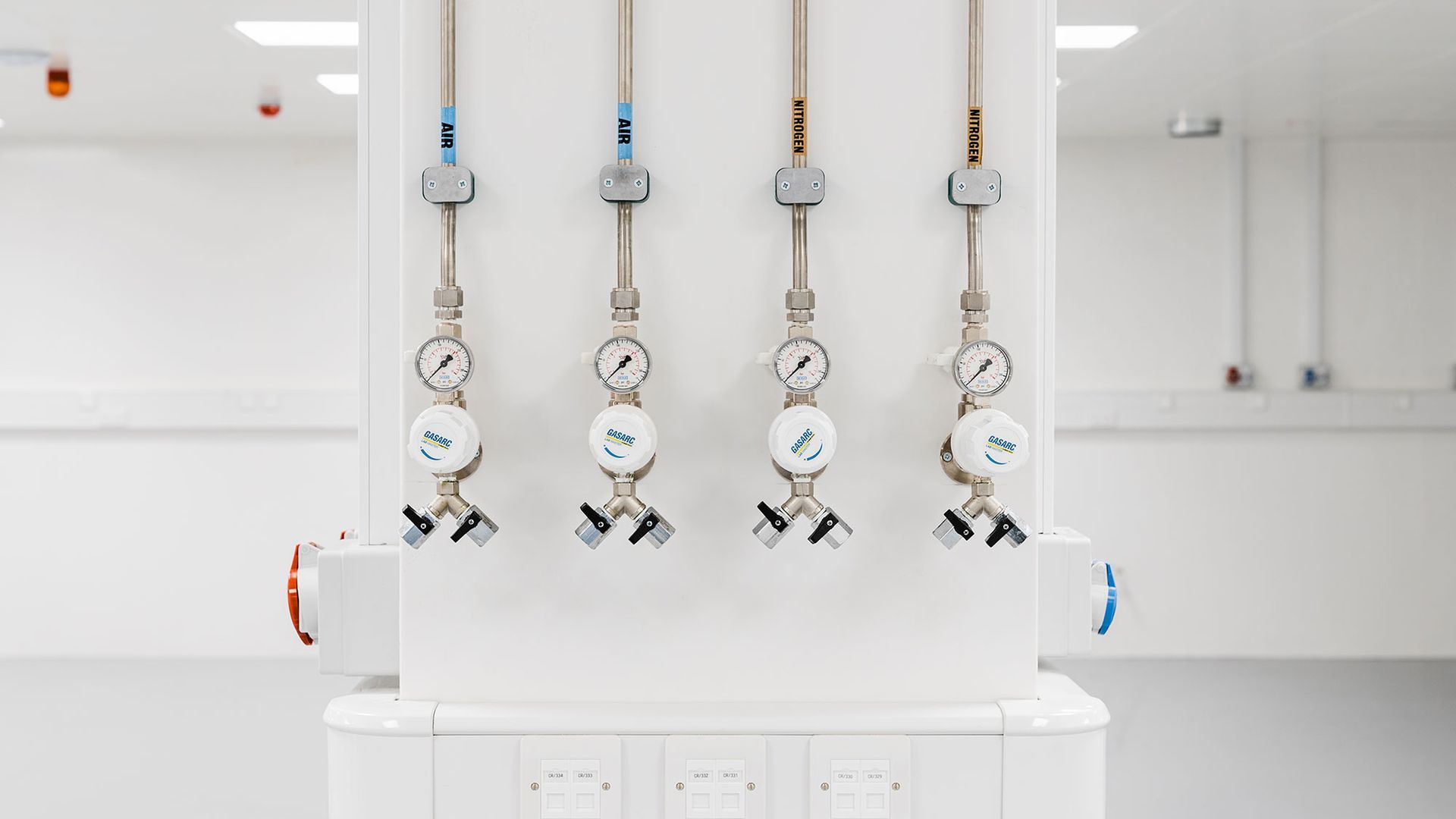
Environmental control, specialist equipment and laboratory flow all need careful coordination. This can include ventilation, gases, drainage, cooling and backup power, alongside clear movement of people, samples, materials and waste to help minimise contamination and operational conflicts.
50+
YEARS
400+
PROJECTS
9
SECTORS
challenges we address
Laboratory environments shaped around science, safety and flow.
Planning laboratories around contamination and containment requirements
Coordinating specialist gases, ventilation, power, drainage and cooling
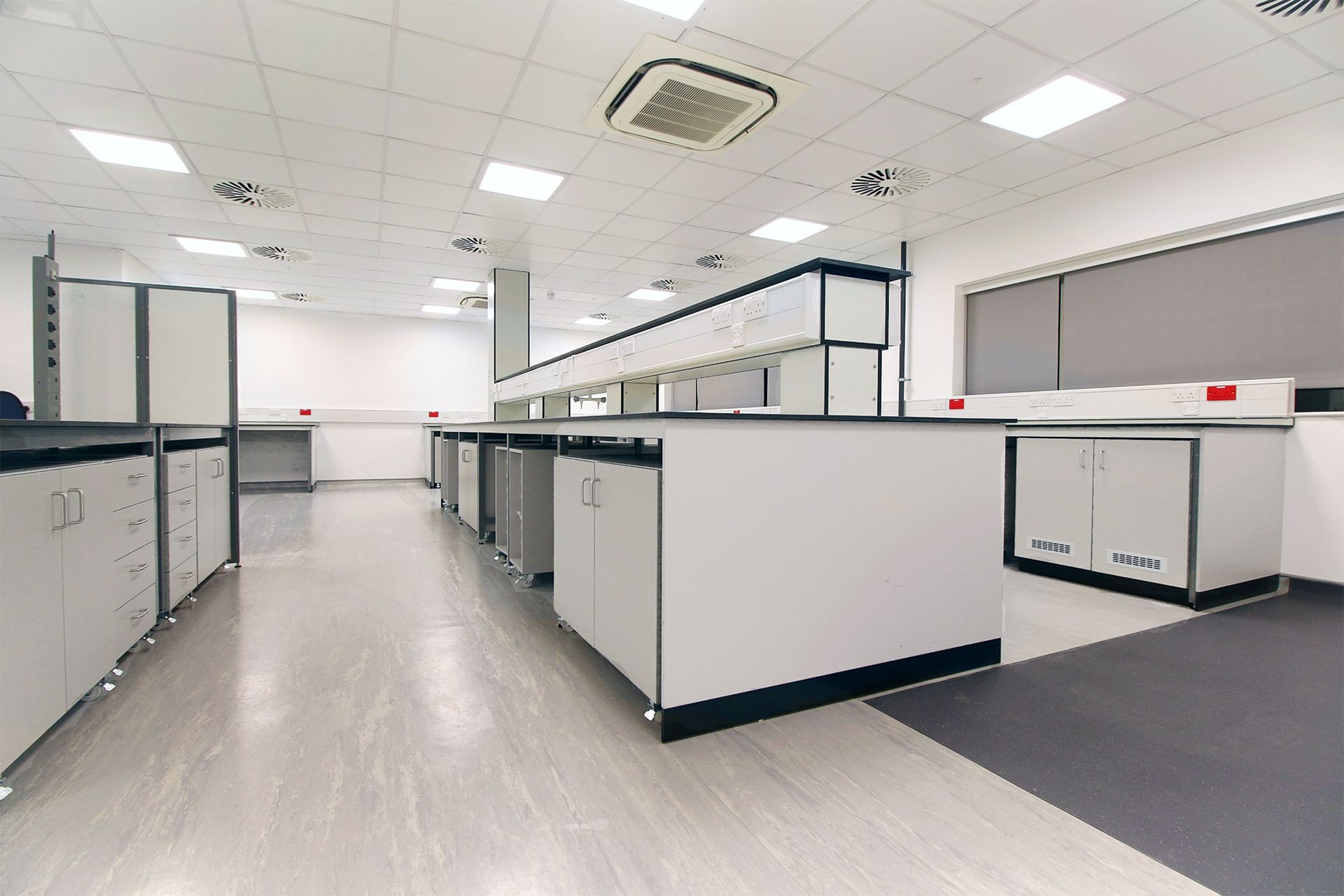
Integrating scientific equipment into efficient laboratory layouts
Managing personnel, sample, material and waste flows
Creating adaptable spaces for changing research programmes and equipment
HOW GLENSIDE HELPS
Specialist laboratory planning built around the work taking place inside.
We work with life sciences and biotechnology clients to understand their research processes before shaping the environment around them. Laboratory planning, specialist services and equipment are coordinated from the early stages through to fit-out and handover, creating spaces that support safe and efficient scientific work.
Key points:
Early advice around laboratory type, containment and technical requirements
Practical coordination of specialist equipment, services and laboratory flow
Flexible environments designed around evolving research programmes
Life Sciences & Biotechnology
How we support this sector.
We provide coordinated support from technical advisory and collaborative design through to project delivery, fit-out, commissioning and handover. Each stage considers laboratory workflows, specialist equipment and operational requirements, ensuring the completed environment supports research, collaboration and future growth.