

How to Plan Your Commercial Fit Out Budget for the New Financial Year
As many organisations enter a new financial year, capital expenditure planning comes into sharper focus. For businesses operating in technical environments such as laboratories, R&D facilities, or hybrid office spaces, the complexity of a fit-out project makes early, structured budgeting essential.
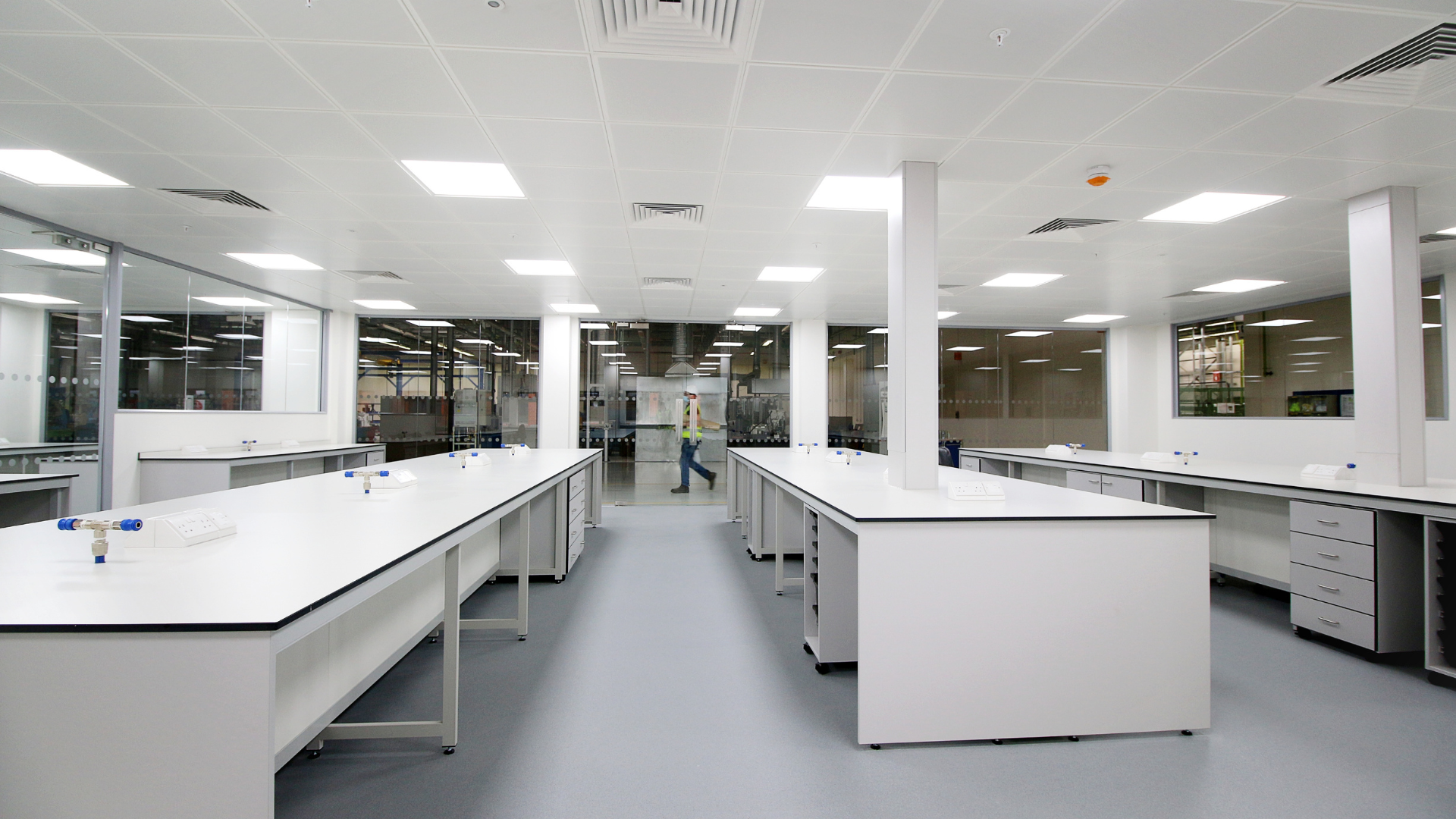
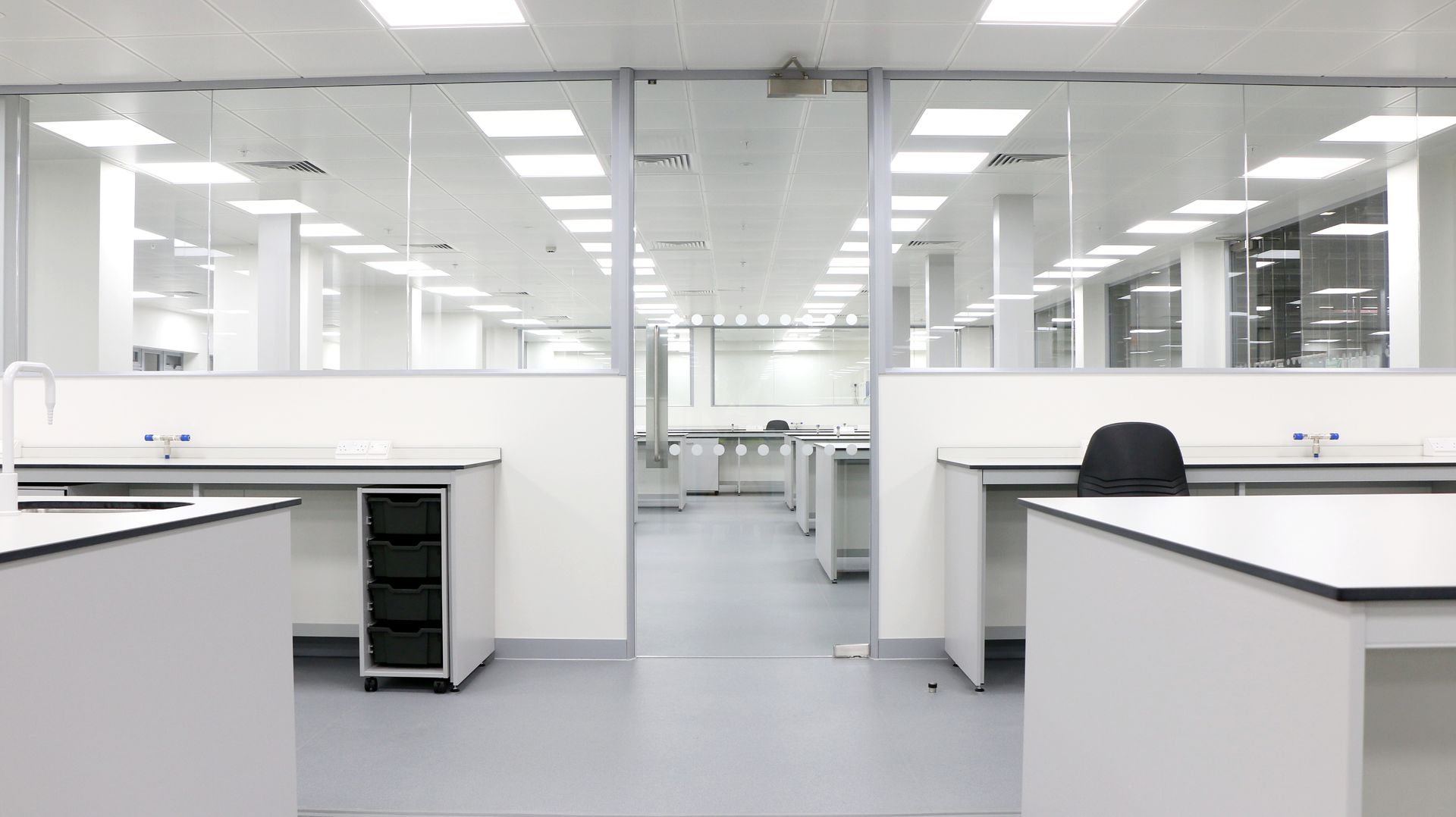
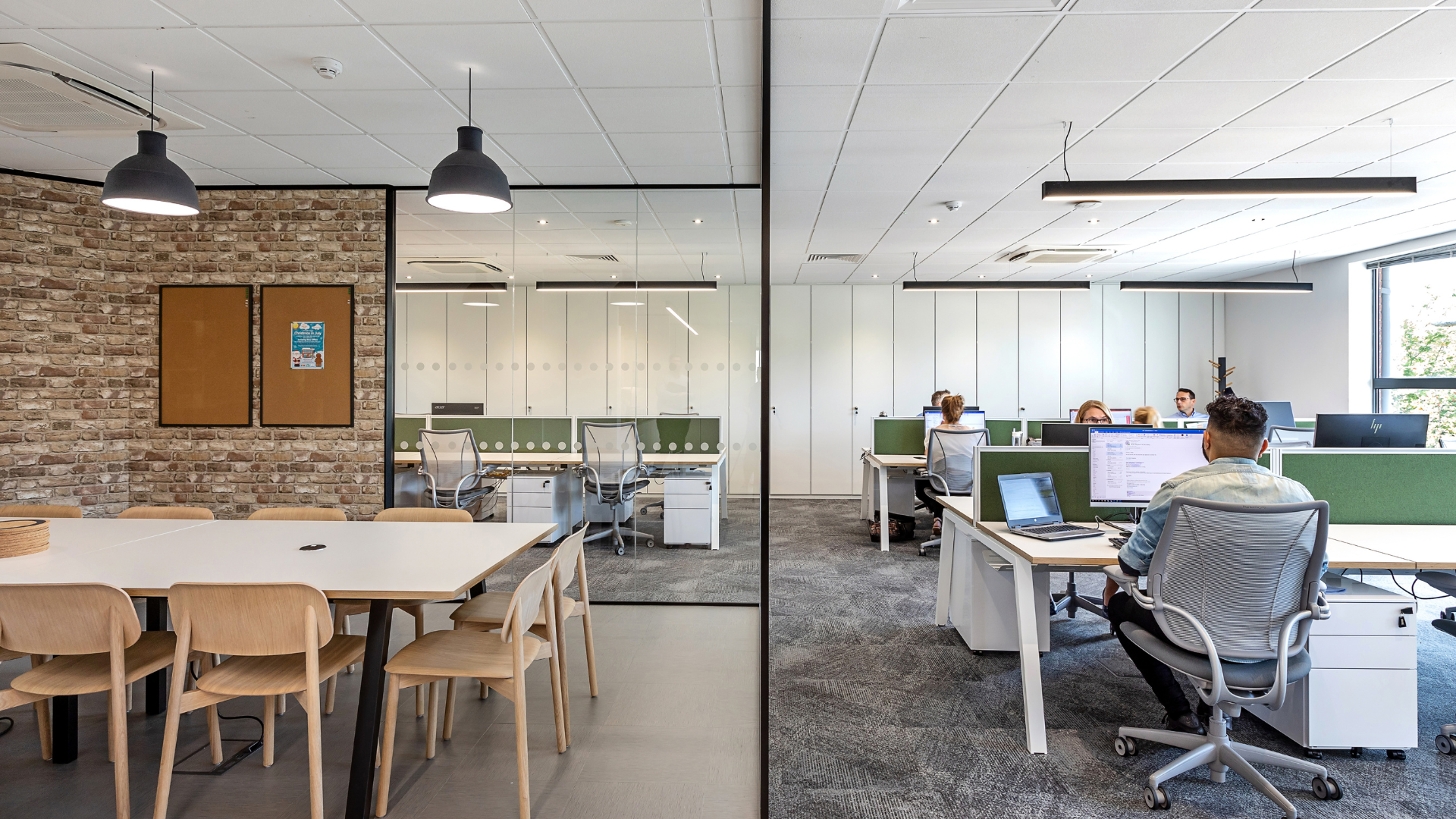
Unlike standard office refurbishments, hybrid workspaces must balance highly serviced technical areas with flexible, people-centric environments. This creates a broader cost matrix, where mechanical, electrical, compliance, and operational considerations carry as much weight as layout and finishes.
This guide outlines how to plan your fit-out budget effectively, reduce financial risk, and maximise value.
The Key Factors That Shape Fit-Out Costs
Fit-out costs are driven by more than square footage. In technical environments, specification and performance requirements play a critical role.
1. Level of Technical Infrastructure
Laboratories and controlled environments increase costs due to:
- Specialist ventilation systems (e.g. fume extraction, pressure regimes)
- Enhanced power requirements
- Gas distribution systems
- Environmental controls (temperature, humidity, particulates)
2. Mechanical & Electrical (M&E) Complexity
M&E often represents the largest proportion of cost in hybrid workspaces. Early engineering input helps avoid overspecification and costly redesigns.
3. Compliance & Regulatory Requirements
Technical spaces must meet strict standards (e.g. ISO classifications, HSE requirements, fire safety), which can materially impact cost.
4. Existing Building Constraints
Base build limitations - such as ceiling voids, structural loading, and incoming services capacity - can introduce significant cost variables if not assessed early.
5. Programme Constraints
Compressed timelines may require:
- Out-of-hours working
- Phased delivery
- Temporary services
All of which can increase costs if not properly planned.
How Design & Build Can Save You Money vs Traditional Procurement
Procurement strategy plays a key role in determining final project cost.
Design & Build: A More Cost-Controlled Approach
- Single point of responsibility - One contract integrates design, engineering, and construction, reducing coordination risk.
- Earlier cost certainty - Budgets are based on real delivery costs, not theoretical designs.
- Flexibility without major cost uplift - Changes can be managed more efficiently, particularly in technical environments.
Traditional Procurement: Where Costs Can Escalate
- Higher risk of hidden costs - Gaps between design and build can lead to variations and added spend.
- Extended timelines - Sequential stages increase programme duration, inflating preliminaries and extending downtime.
- Reduced cost control - Post-tender changes are often expensive and disruptive.
For complex, hybrid environments, Design & Build typically offers stronger commercial control.
How a Phased Approach Can Help Your Budget
For operational buildings, a phased delivery strategy offers both financial and operational advantages.
- Minimising disruption - Work can be sequenced to maintain business continuity.
- Spreading capital expenditure - Costs can be distributed across financial periods.
- Improved risk management - Early phases inform later stages, reducing costly errors.
- Optimised resources
- Labour and materials can be deployed more efficiently.
This is particularly effective in hybrid environments where different spaces can be delivered in stages.
Financing Options to Help Stretch Your Budget
While many organisations rely on capital expenditure, financing is increasingly used for larger or more complex fit-outs.
Fit-out finance (typically asset finance or leasing) allows businesses to spread costs over time rather than paying upfront.
Key advantages:
- Improved cash flow - Reduces immediate financial impact.
- Greater flexibility - Enables higher-spec environments within budget.
- Retention of capital - Frees up funds for other business needs.
- Alignment of cost with value - Payments match the workspace lifecycle.
- Potential tax efficiencies - Depending on structure.
Finance can often cover not just furniture, but installation, equipment, and professional fees.
It may not always be the right route, but it can be a strategic lever - particularly for technical environments where upfront costs are high.
When to Start Planning
Late-stage planning is a common cause of budget overruns.
Recommended lead times:
- 6–12 months before start on site for complex environments
- 3–6 months minimum for smaller or less technical projects
Early planning enables:
- Accurate feasibility assessments
- Identification of constraints
- Alignment with financial year budgets
- Value engineering without compromising performance
It also allows engineering decisions to be made proactively, where costs are typically lower.
How to Structure Your Fit-Out Budget
A clear budget structure improves control and reduces risk.
- Construction Costs - Core build, partitions, finishes
- Mechanical & Electrical (M&E) - Often 30–50% of total cost
- Specialist Equipment & Infrastructure - Lab and technical installations
- Professional Fees - Design, engineering, project management
- Preliminaries - Site management, logistics, H&S
- Contingency (5–10%) - For unforeseen conditions
- Decant & Operational Costs - Temporary relocations or downtime
Final Thoughts
Planning a commercial fit-out budget - particularly for hybrid or technical workspaces - requires more than a high-level estimate. It demands an integrated understanding of engineering, operations, and delivery.
By:
- Engaging early
- Choosing the right procurement route
- Structuring budgets effectively
- Considering phasing and financing
…organisations can reduce risk and maximise long-term value.
In complex environments, the most successful projects treat cost planning as a technical discipline - not just a financial exercise.
At Glenside, we specialise in delivering tailored commercial fit-outs for technical and hybrid environments. We balance performance, compliance, and cost efficiency to create spaces that support both immediate operations and long-term growth.
From early-stage planning through to design and delivery, we work closely with clients across laboratory, R&D and commercial sectors to ensure every project is strategically aligned and commercially controlled.
Get in touch to discuss how we can support your next fit-out and help you plan a budget that delivers real value now and in the future.
View more insights: Office Design I Industrial Property I Laboratories I Wellbeing & Productivity I Company Updates
Join Our Mailing List
All data is handled inline with our Privacy Policy and you may unsubscribe at any time.