

The Fundamentals of Specialist Workspace Design
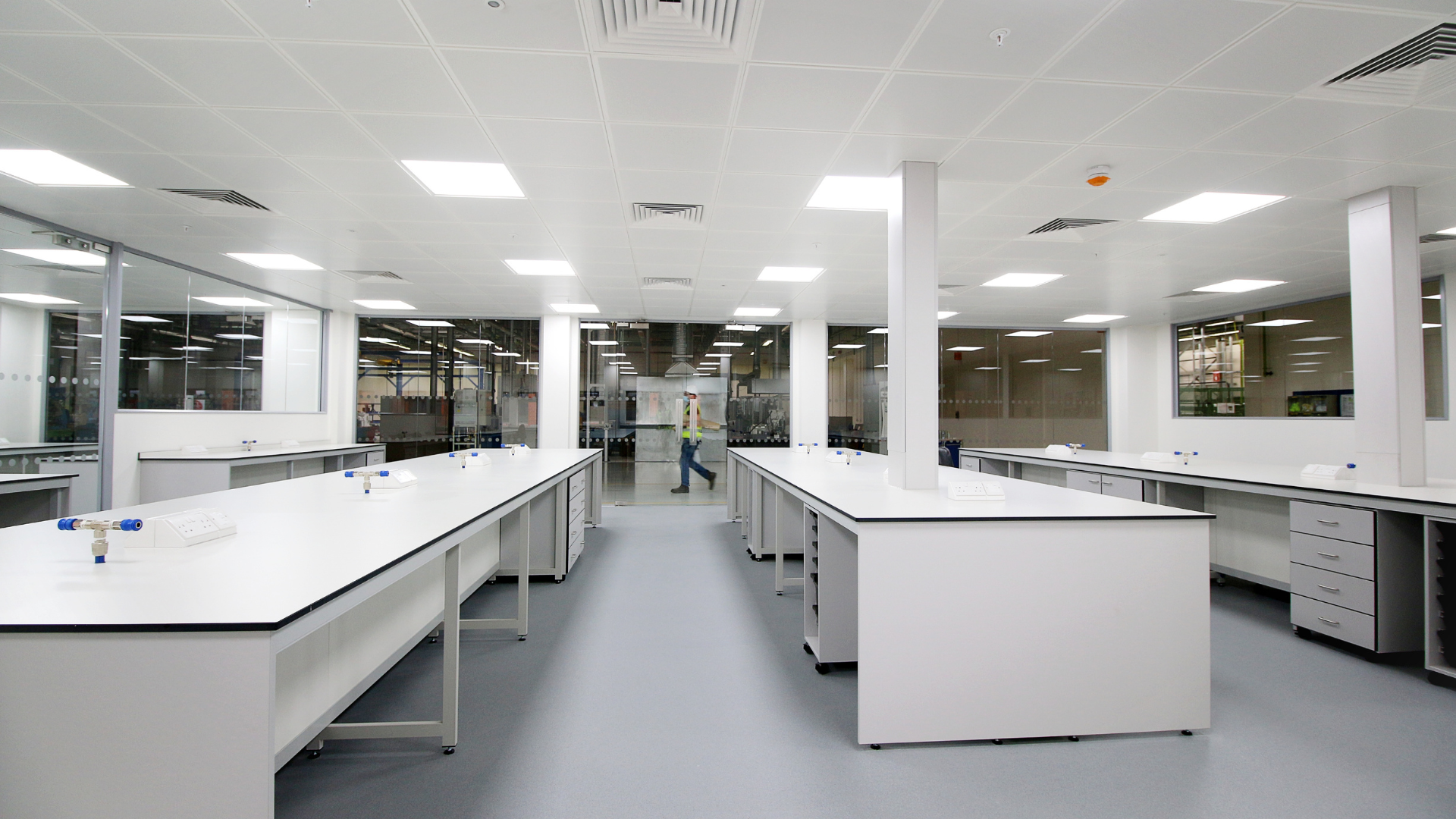
Specialist workspaces are designed to support complex operations, technical requirements, and highly skilled teams. Unlike standard office environments, these spaces must accommodate specific processes, equipment, and compliance standards while remaining efficient, adaptable, and safe.
From technical and regulated environments to specialist commercial and industrial settings, understanding the fundamentals of specialist workspace design is essential to creating spaces that perform reliably now and into the future.
Defining the Function of the Space
Every specialist workspace starts with a clear understanding of its function. These environments are shaped by how people work, how equipment is used, and how processes flow through the space.
Early design stages should focus on operational needs, movement patterns, and adjacencies between key areas. Whether the space supports testing, production, training, or technical operations, the layout must be designed around real-world use to avoid inefficiencies or limitations later on.
A function-led approach ensures the workspace supports productivity rather than restricting it.
Workflow, Layout and Space Planning
Effective workflow design is a core principle of specialist workspace planning. Poor layouts can lead to delays, increased risk, and inefficient use of space, while thoughtful planning supports smooth and logical operations.
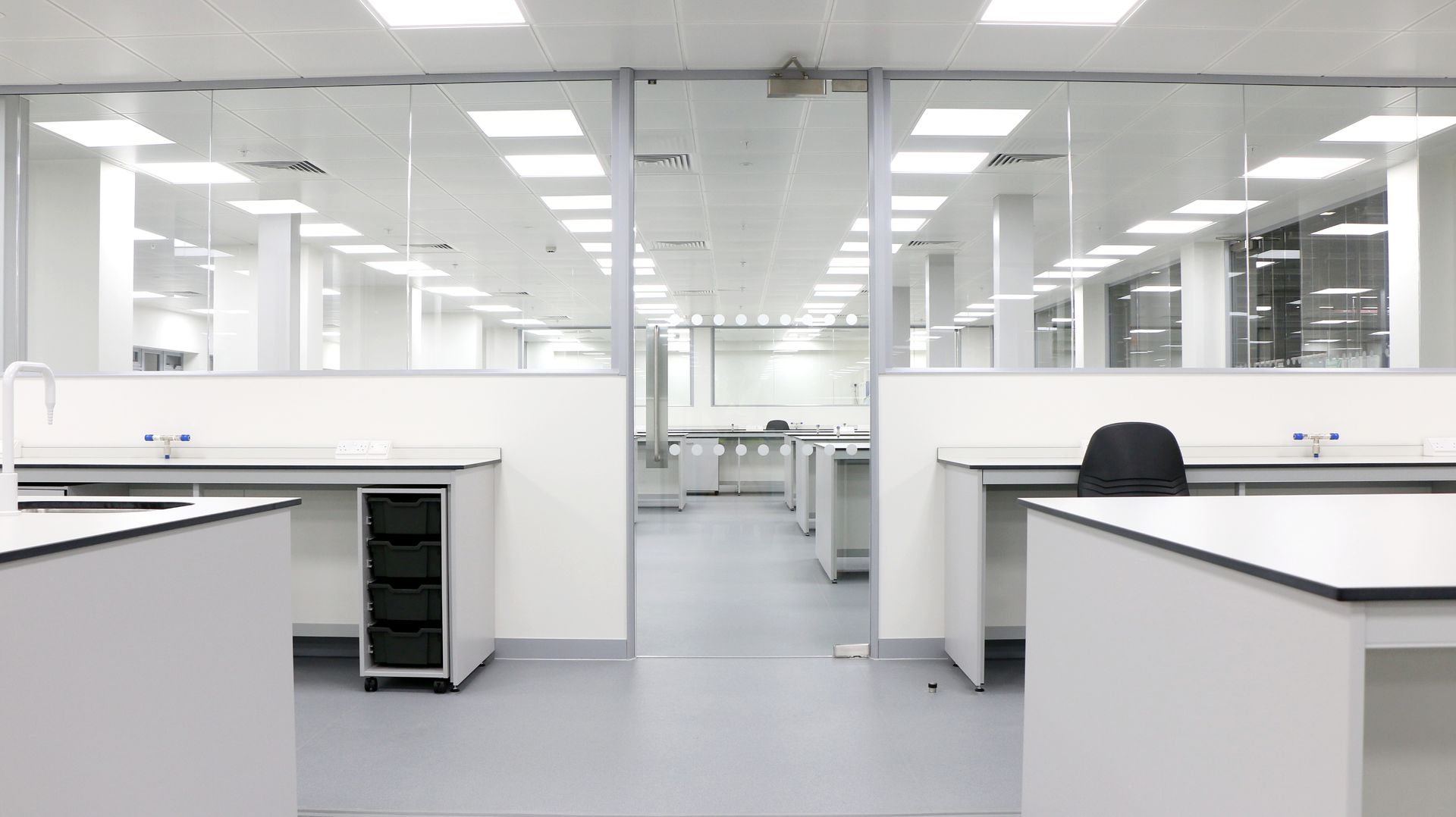
Key considerations include zoning activities appropriately, reducing unnecessary movement, and positioning work areas, equipment, and storage in line with operational sequences. Clear separation between different functions can also help manage risk, maintain quality, and support consistent performance.
Well-planned specialist spaces make better use of available floor area while supporting efficient day-to-day operations.
Safety, Compliance and Environmental Control
Many specialist workspaces operate within regulated or controlled environments, making safety and compliance central to the design process. Requirements around ventilation, fire safety, access, and environmental conditions must be integrated from the outset.
Designing these elements into the fabric of the space - rather than adding them later - helps create environments that are both compliant and practical. This approach reduces disruption, avoids costly redesigns, and supports safe, uninterrupted operations.
Embedding safety and compliance early is critical to the long-term success of specialist environments.
Technical Infrastructure and Building Services
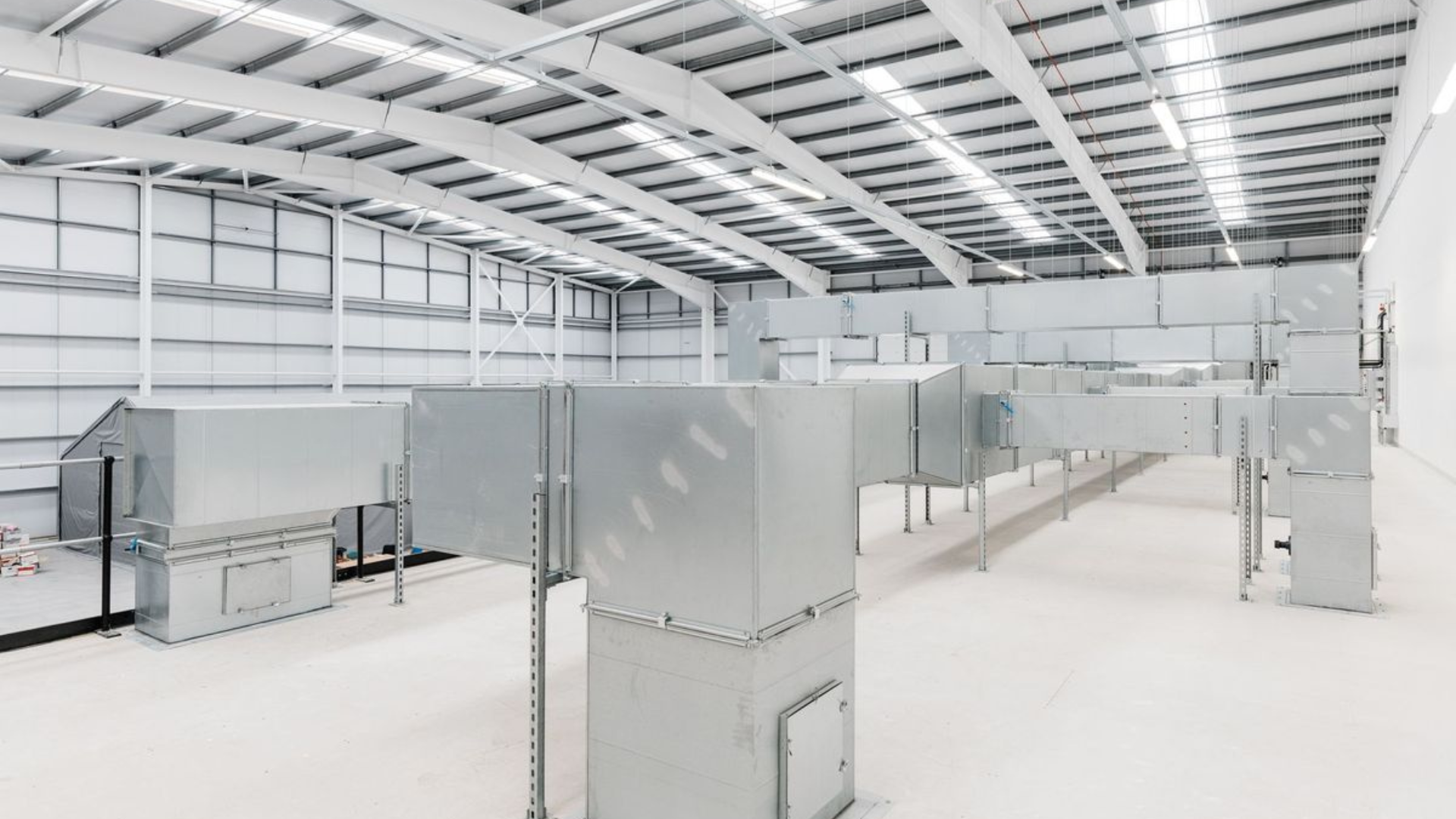
Specialist workspaces often rely on enhanced building services and technical infrastructure. This may include increased power capacity, specialist ventilation, temperature control, data connectivity, or bespoke mechanical and electrical systems.
Designing with these requirements in mind ensures the space can support both current operations and future upgrades. Allowing for flexibility in services routing and capacity can help extend the lifespan of the workspace as operational needs evolve.
Robust infrastructure underpins the reliability and performance of specialist environments.
Flexibility and Future Adaptability
Even highly specialised spaces need to evolve. Changes in technology, processes, or business direction can all impact how a workspace is used over time.
Incorporating flexibility into specialist workspace design allows environments to adapt without major disruption. Modular layouts, adaptable service provision, and reconfigurable zones help ensure the space remains effective as requirements change.
Future-ready design protects investment and supports long-term operational resilience.
Supporting People and Performance
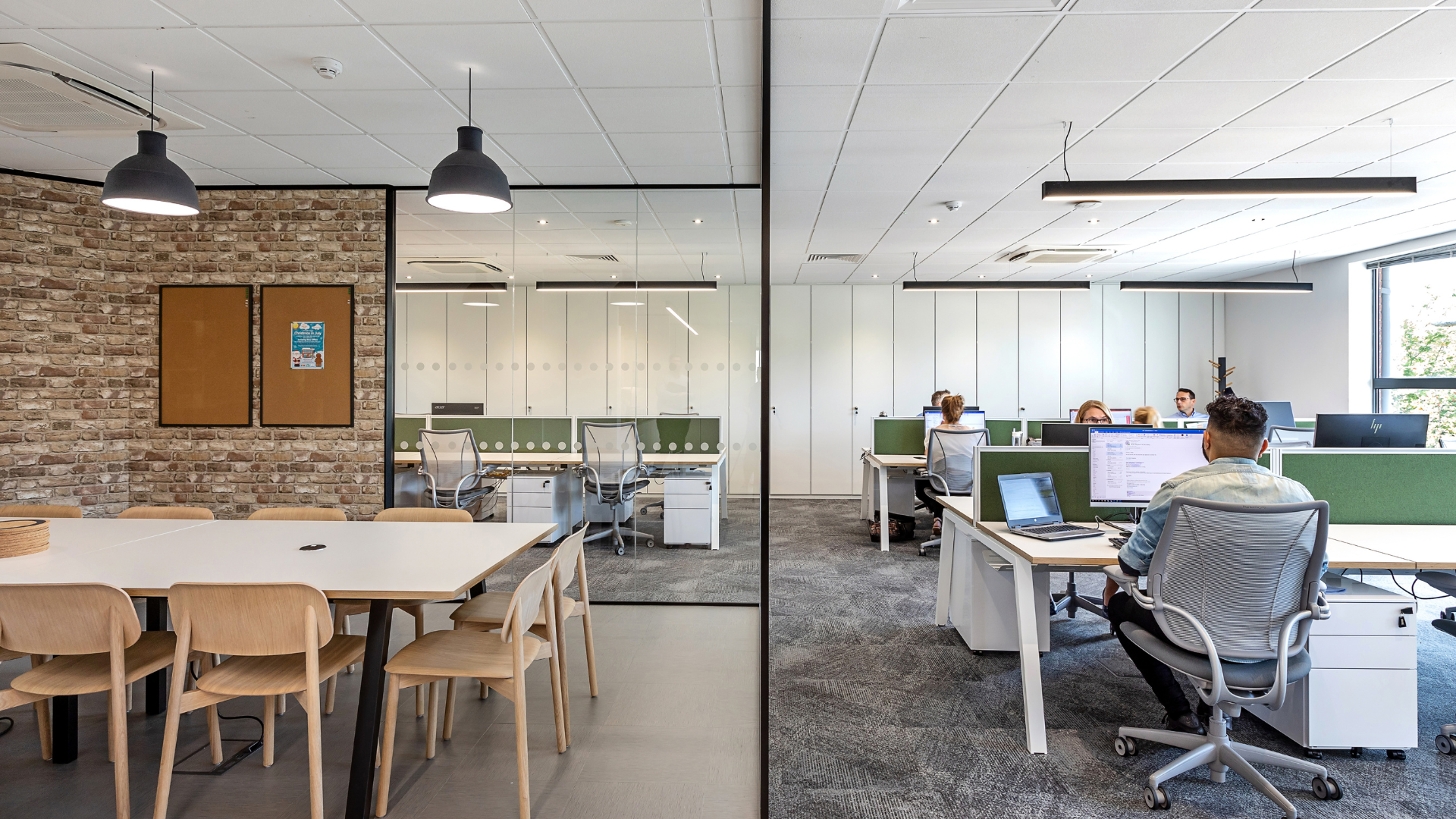
While specialist workspaces are often driven by technical requirements, they are ultimately designed for people. Supporting comfort, wellbeing, and focus plays an important role in overall performance.
Considerations such as ergonomics, lighting, acoustics, and access to supporting spaces can improve day-to-day experience and productivity. Creating environments that support both technical work and human needs helps teams perform at their best.
Designing Specialist Spaces That Perform
Successful specialist workspace design brings together operational insight, technical expertise, and careful planning. By focusing on function, workflow, safety, infrastructure, and adaptability, organisations can create environments that support complex operations and future growth.
Working with experienced specialists ensures these elements are aligned, delivering spaces that are practical, compliant, and built to last.
Glenside designs and delivers specialist workspaces across a wide range of technical and operational environments.
Get in touch to discuss how we can support your project from concept through to completion.
View more insights: Office Design I Industrial Property I Laboratories I Wellbeing & Productivity I Company Updates
Join Our Mailing List
All data is handled inline with our Privacy Policy and you may unsubscribe at any time.