Planning An Office Move – The Top 5 Things People Overlook
2 June 2026
Planning an
office move
can feel relatively straightforward at first glance - find a new space, organise the logistics, and set a moving date.
In reality, it is rarely that simple.
From our experience supporting office relocations across a wide range of environments, it is often not the big, obvious tasks that cause problems. It is the smaller, overlooked details that can have the biggest impact on timelines, budgets, and day-to-day operations.
Here are five of the most common things businesses overlook when planning an office move, and how to avoid them.
One of the most common assumptions is that an office move can be completed over a weekend with minimal disruption.
While that is often the goal, the reality can look quite different.
Delays with IT setup, unexpected issues within the new space, and general settling-in time can all impact productivity in the first few days, or even weeks. Teams may not be able to work at full capacity immediately, and small technical issues can quickly add up.
From what we have seen, businesses tend to plan the physical move in detail, but underestimate the operational impact it can have.
Tip: Build in contingency time and have a clear plan for maintaining business continuity during the transition.
From our experience supporting office relocations across a wide range of environments, it is often not the big, obvious tasks that cause problems. It is the smaller, overlooked details that can have the biggest impact on timelines, budgets, and day-to-day operations.
Here are five of the most common things businesses overlook when planning an office move, and how to avoid them.
1. Underestimating Downtime and Business Disruption
One of the most common assumptions is that an office move can be completed over a weekend with minimal disruption.
While that is often the goal, the reality can look quite different.
Delays with IT setup, unexpected issues within the new space, and general settling-in time can all impact productivity in the first few days, or even weeks. Teams may not be able to work at full capacity immediately, and small technical issues can quickly add up.
From what we have seen, businesses tend to plan the physical move in detail, but underestimate the operational impact it can have.
Tip: Build in contingency time and have a clear plan for maintaining business continuity during the transition.
2. Not Involving I.T. Early Enough
I.T. is one of the most critical components of any office move, but it is often brought into the process too late.
Cabling, server requirements, Wi-Fi coverage, broadband/fibre connectivity, and workstation setup all need to be considered well in advance. Securing the right internet connection for the new premises early is particularly important, as installation lead times can be significant. Without proper planning, businesses can face delays in move-in dates or immediate disruption once teams arrive onsite.
We often see situations where everything looks ready from a physical perspective, but the office is not fully operational because I.T. infrastructure has not been properly integrated into the plan.
Tip: Involve I.T. stakeholders from the outset and ensure infrastructure is aligned with how your team works.
A new office can look ideal on paper, but translating that into a functional working environment is a different challenge.
It is not just about whether everyone fits. It is about how the space supports your team’s day-to-day activities. Meeting rooms, breakout areas, quiet zones, and collaboration spaces all need to be considered, along with future growth.
A common issue we see is businesses only realising after the move that the layout does not quite work in practice.
Tip: Plan your space around how your team actually works, not just headcount.
Cabling, server requirements, Wi-Fi coverage, broadband/fibre connectivity, and workstation setup all need to be considered well in advance. Securing the right internet connection for the new premises early is particularly important, as installation lead times can be significant. Without proper planning, businesses can face delays in move-in dates or immediate disruption once teams arrive onsite.
We often see situations where everything looks ready from a physical perspective, but the office is not fully operational because I.T. infrastructure has not been properly integrated into the plan.
Tip: Involve I.T. stakeholders from the outset and ensure infrastructure is aligned with how your team works.
3. Poor Space Planning
A new office can look ideal on paper, but translating that into a functional working environment is a different challenge.
It is not just about whether everyone fits. It is about how the space supports your team’s day-to-day activities. Meeting rooms, breakout areas, quiet zones, and collaboration spaces all need to be considered, along with future growth.
A common issue we see is businesses only realising after the move that the layout does not quite work in practice.
Tip: Plan your space around how your team actually works, not just headcount.
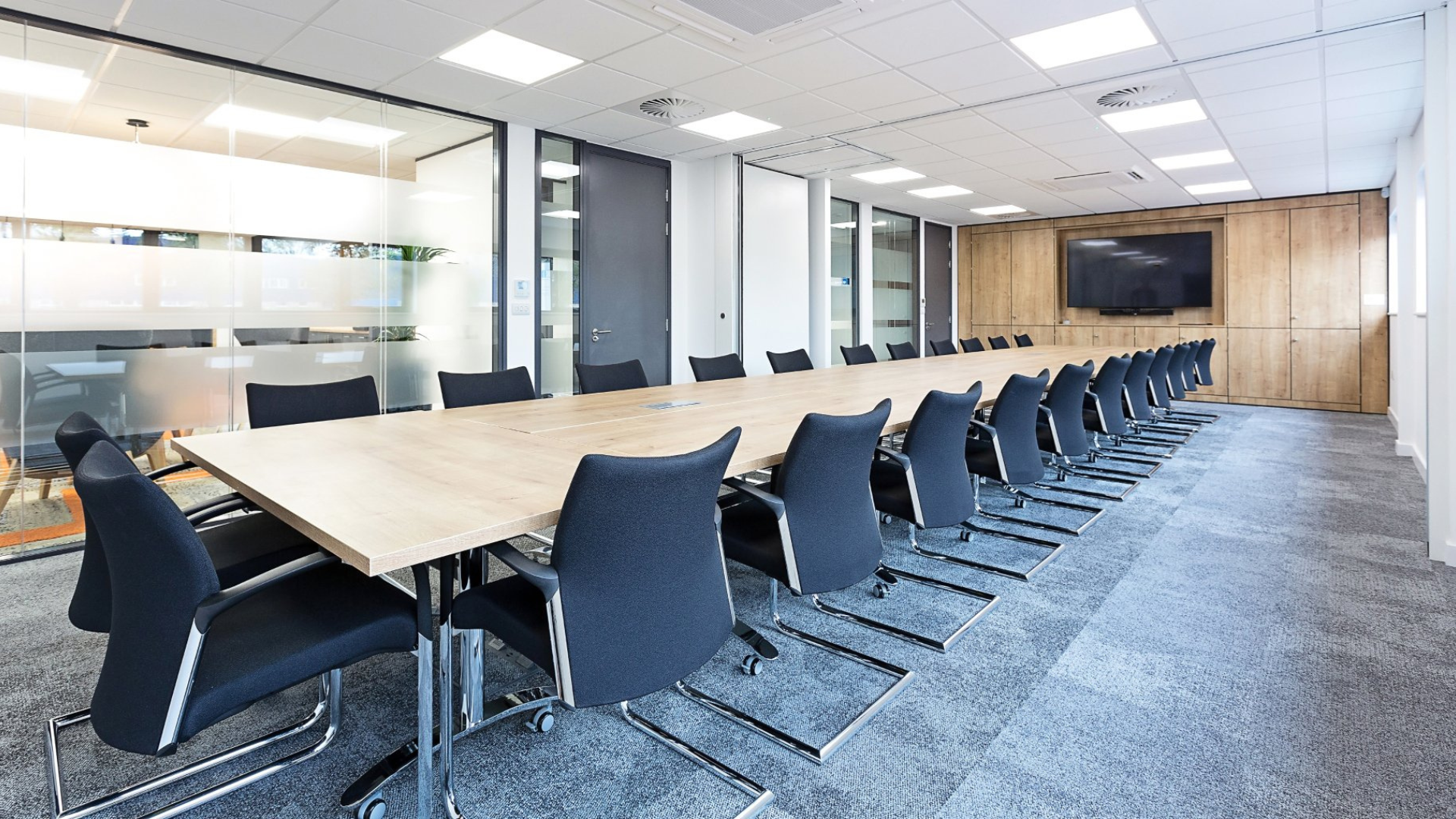
4. Forgetting the Employee Experience
An office move is not just a logistical exercise. It is a significant change for your team.
Without clear communication and consideration of how the new space will impact employees, it can lead to uncertainty, resistance, or reduced morale. Layout, facilities, and even details such as lighting and noise levels can all influence how people feel and perform in the new environment.
The most successful moves tend to be those where employees are considered early in the process, not just once decisions have already been made.
Tip: Engage your team, gather input where possible, and keep communication clear throughout the move.
It is easy to focus on the headline costs of a move - rent, removals, and fit-out. However, there are often additional expenses that are not immediately obvious.
Furniture, storage, temporary setups, dilapidations, and last-minute changes can all add to the final cost. In many cases, these costs arise from elements that were not fully scoped or considered at the start of the project.
From experience, these costs are rarely truly “unexpected”. More often, they are the result of insufficient planning, lack of early surveys, or key details being missed during the initial assessment stages. Proper due diligence upfront - including detailed site surveys, infrastructure reviews, and clear project scoping, is essential to identifying potential costs early and avoiding budget creep later in the process.
Tip: Build flexibility into your budget and ensure all aspects of the move are properly reviewed and planned from the outset.
The most successful moves tend to be those where employees are considered early in the process, not just once decisions have already been made.
Tip: Engage your team, gather input where possible, and keep communication clear throughout the move.
5. Hidden Costs and Budget Creep
It is easy to focus on the headline costs of a move - rent, removals, and fit-out. However, there are often additional expenses that are not immediately obvious.
Furniture, storage, temporary setups, dilapidations, and last-minute changes can all add to the final cost. In many cases, these costs arise from elements that were not fully scoped or considered at the start of the project.
From experience, these costs are rarely truly “unexpected”. More often, they are the result of insufficient planning, lack of early surveys, or key details being missed during the initial assessment stages. Proper due diligence upfront - including detailed site surveys, infrastructure reviews, and clear project scoping, is essential to identifying potential costs early and avoiding budget creep later in the process.
Tip: Build flexibility into your budget and ensure all aspects of the move are properly reviewed and planned from the outset.
- Managing Director, Property Management Company in Hertfordshire
Final Thoughts
An office move is a complex process, and while challenges are common, many of the biggest issues are entirely avoidable with the right planning.
Understanding where things typically go wrong is the first step towards getting it right.
Working with an experienced fit-out partner can also help identify potential risks early on, offering guidance that supports a smoother, more efficient transition from day one.
Working with an experienced fit-out partner can also help identify potential risks early on, offering guidance that supports a smoother, more efficient transition from day one.
Recent Posts
by Tabitha Pearson
•
13 October 2026
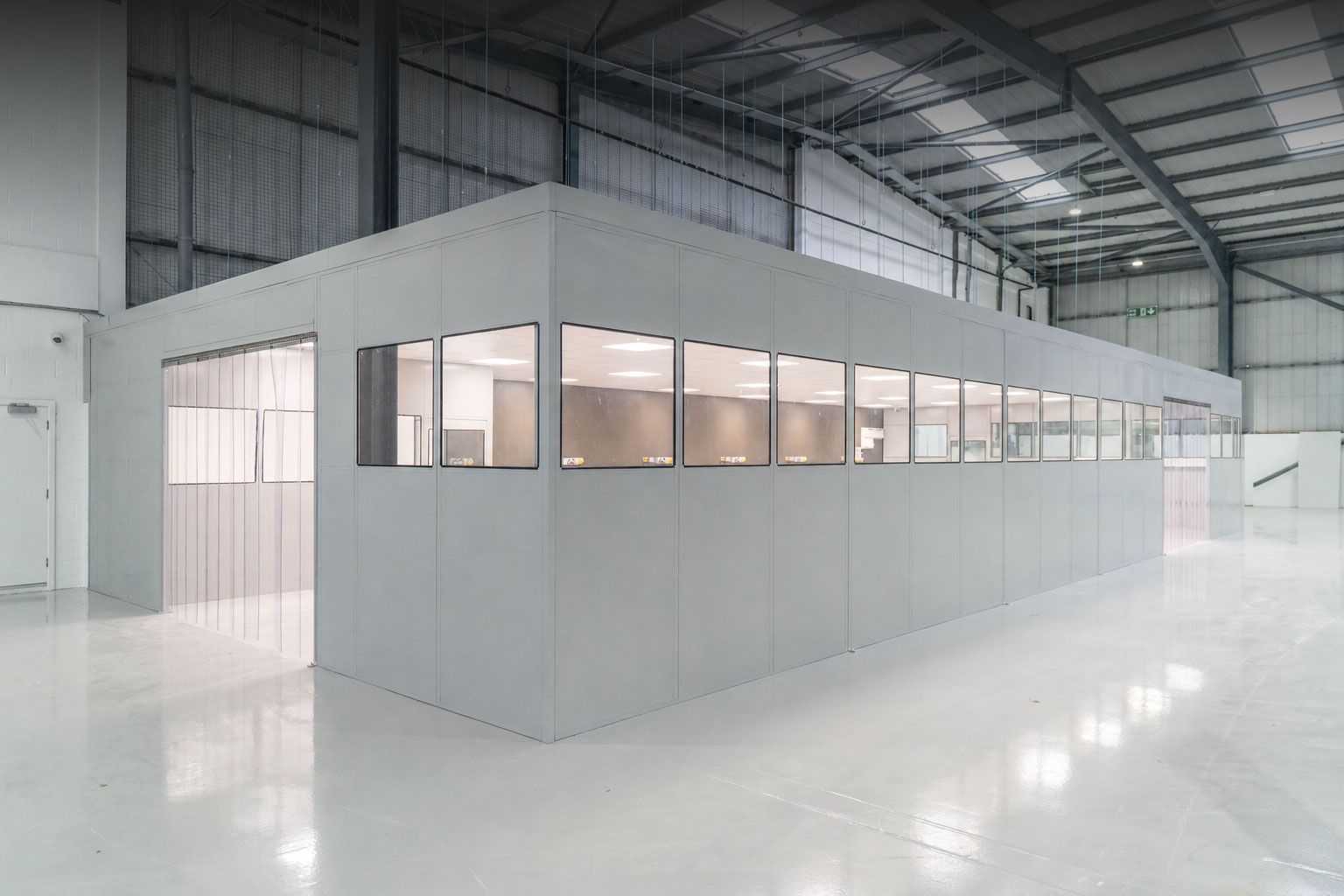
Explore how electronics and technical facility fit-outs can be designed around specialist equipment, controlled environments, workflow and performance.
by Tabitha Pearson
•
7 September 2026
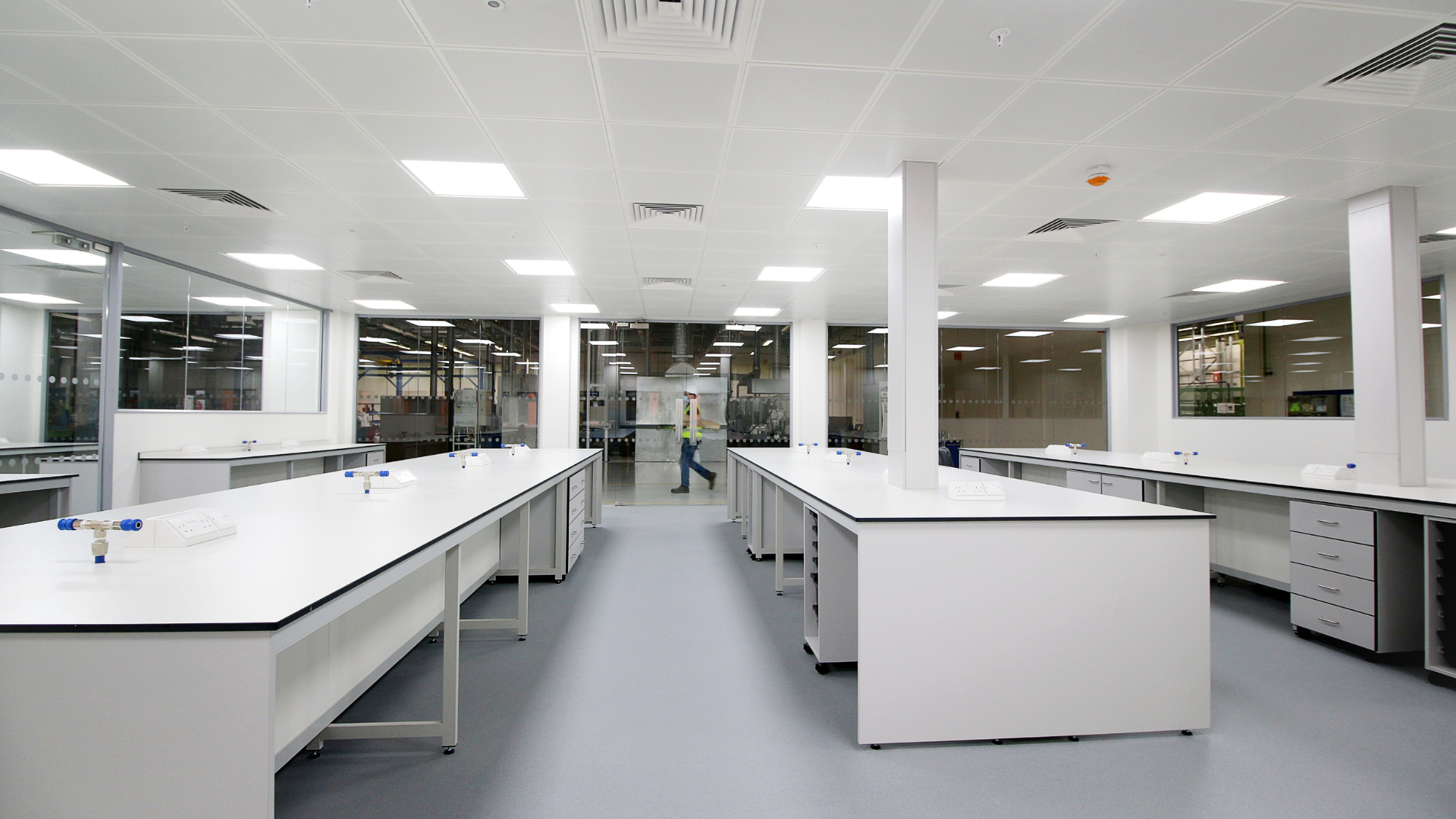
Discover how to approach a commercial fit-out with more complex requirements, from specialist services and equipment to coordination, compliance and delivery.

12 August 2026
Glenside is now JOSCAR registered, strengthening our credentials and supporting our continued growth within the UK defence sector.